Industrial Wiring Harness Manufacturer
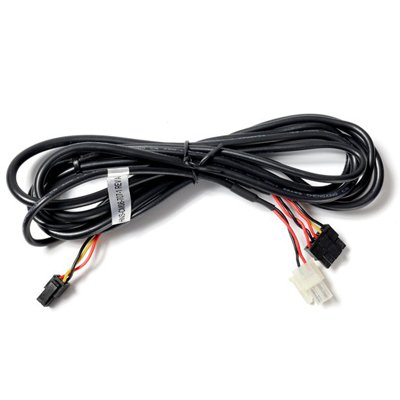
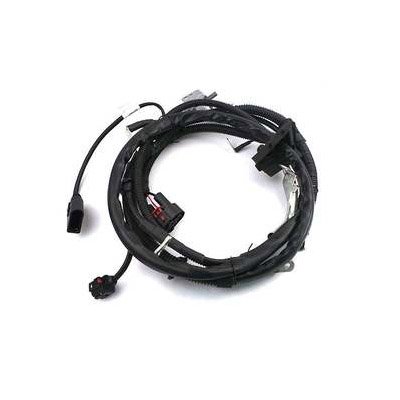
Amplifier Wiring Harness
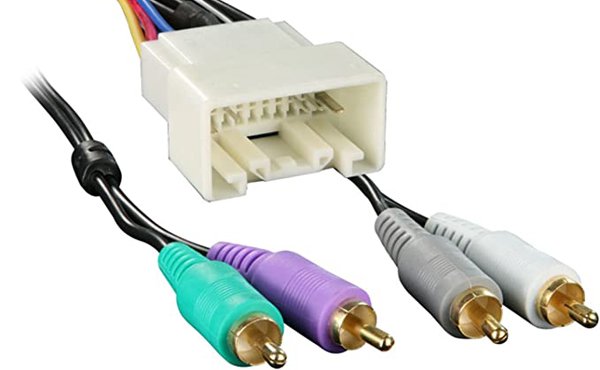
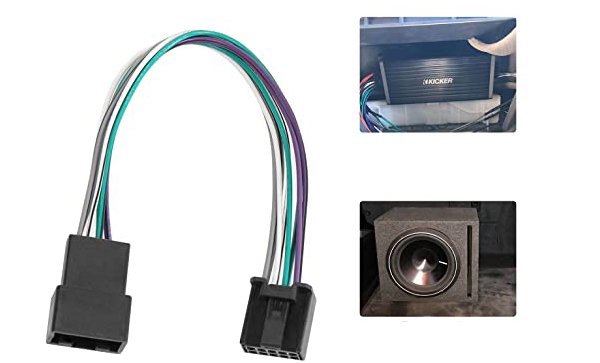
Amplifiers are widely used electronic devices designed to boost current, voltage, and/or signal power. They find applications in broadcasting, audio equipment, and wireless communications. Powered electrically, these devices incorporate a wiring system that facilitates the smooth transmission of electric power. However, for orderly wire management, an amplifier wiring harness is essential.
- Type of wire
- Insulation material and sheath-
- The cable’s voltage and current rating or capacities.
- The wire harnesses environmental capacity
- Safety certifications
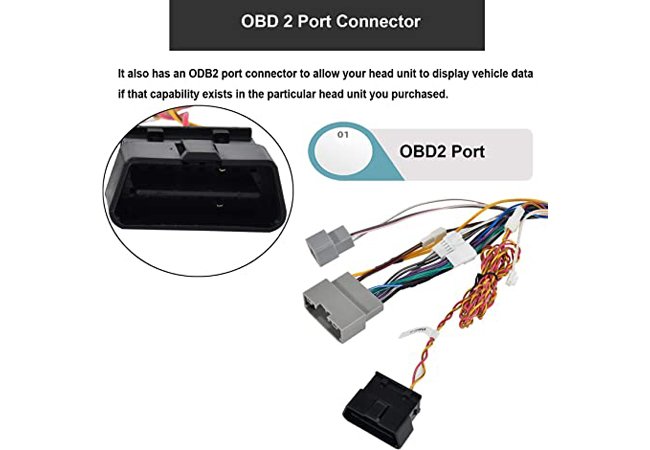
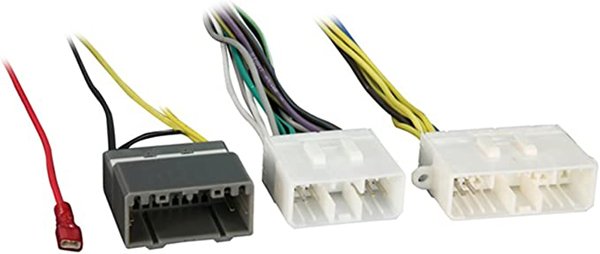
It features an OBD2 port connector, enabling your head unit to display vehicle data if your specific head unit is equipped with this capability.
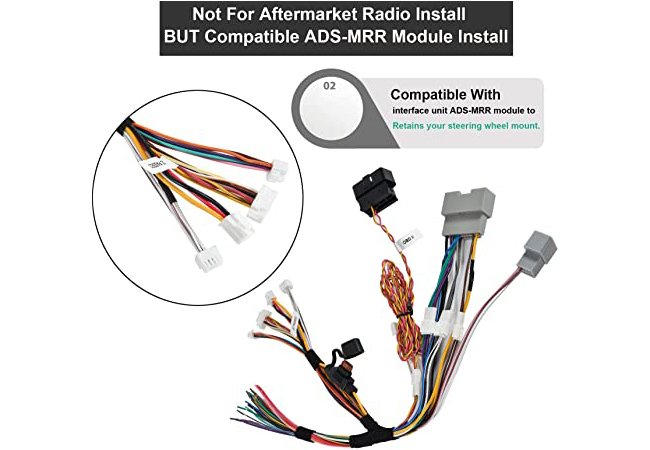
It facilitates the installation of a new interface unit, the ADS-MRR module, to maintain the functionality of your steering wheel.
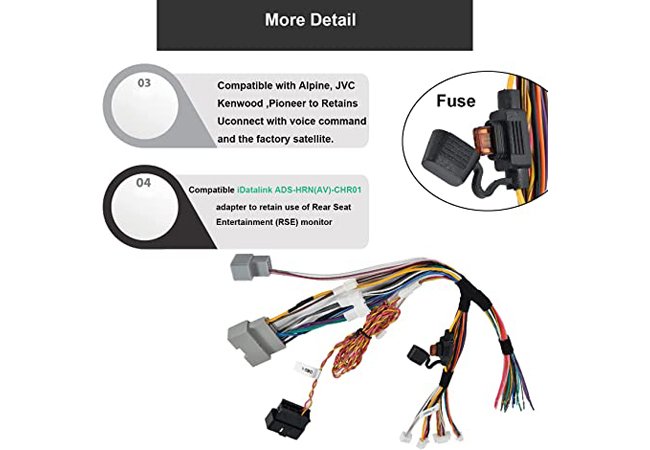
Compatible with Alpine, JVC, Kenwood, and Pioneer systems, it allows you to retain Uconnect with voice command and factory satellite functionality. It serves as a replacement for the iDatalink ADS-HRN(AV)-CHR01 adapter, enabling continued use of the Rear Seat Entertainment (RSE) monitor.

An Overview Of Amplifier Wiring Harness
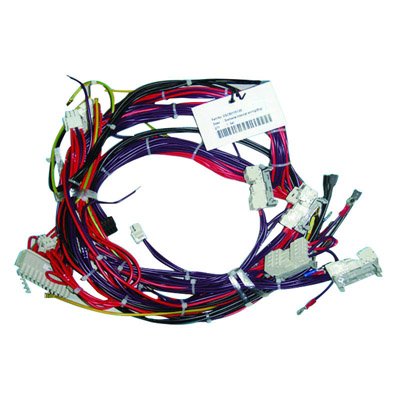
The wires are bundled together to create a single harness, making it easier to manage during installation and repair processes. The concept of a wire harness helped minimize issues with electrical shorts caused by exposed conductors. In this discussion, we will delve deeper into amplifier wire harnesses, their benefits, and the components of wire harnesses.
Components of Amplifier Wire Harness
An amplifier wire harness comprises multiple components to be considered efficient. You need to look at these features to confirm the most suitable one.
Type of wire- This includes the material forming the wire (conductor), length as well as a gauge.
- Insulation material and sheath- comprise the utmost insulation material protecting the conductors from getting into contact and organizing the cables.
- The cable’s voltage and current rating or capacities.
- The wire harness environmental capacity- This involves the resistance to chemicals, moisture, and temperature changes.
- Safety certifications- Check for applicable safety standards and industry-specified laws. For example, confirm whether the wire harness manufacturer is listed and certified by UL, IPC WHMA A 620, and ISO 9001. This will help to be certain about the durability of the wire harness.
The Amplifier Wiring Harness Process
Similar to other wire harnesses, an amplifier wire harness is designed according to the amplifier’s electrical and geometric requirements.
Initially, the manufacturer utilizes a schematic to devise a manufacturing documentation plan and an assembly board for the harness. This encompasses the connectors, terminals, cables, and other necessary components. The wires for the harness are trimmed to the desired lengths, and their ends are stripped to reveal the conductors, which are then fitted onto the connectors. The amplifier wires are assembled onto a test board for thorough examination.
Benefits of Amplifier Wire Harness
The technique of using a wire harness in an amplifier offers numerous benefits. These advantages are not readily apparent when working with multiple individual wires, particularly during installation processes, nor can the reliability of the wiring system be guaranteed in such cases. Some of these benefits include:
- Amplifier wiring harness reduces the rate of wear and tear- Exposed wires are subject to quick wear and tear from abrasive materials like moisture and chemicals. Also, the wires can’t grind on each other as they are innately packed together.
- Provides simple and quick maintenance- Dealing with one wire individually can be a nightmare. This reduces the maintenance cost and effort.
- Binding the amplifier’s wires in one single harness help to reduce the vibration effects on the wires that can cause an exposure of the conductors.